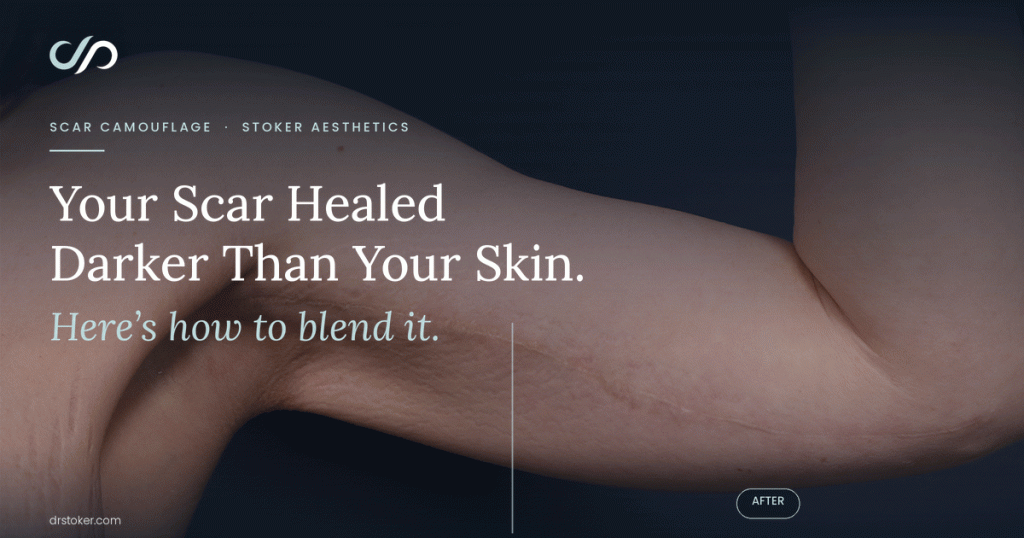
The incision healed. The scar is flat. And yet it’s the first thing you see, because it’s darker than the skin around it.
That’s exactly the problem scar camouflage at Stoker Aesthetics was built to solve. It’s a nonsurgical color-correction treatment for scars that are darker than your natural skin tone, using a custom-matched blend to neutralize the dark tones so the scar fades back into your complexion. There’s no surgery and no downtime.
Here’s what makes it unusual: most scar camouflage is designed for scars that healed lighter than the skin. Dark scars are a different challenge, and this treatment is made for them.
Why Scars Turn Dark
The usual culprit is post-inflammatory hyperpigmentation. The inflammation that helps a wound heal can also trigger extra pigment production, leaving a scar darker than the skin around it. It’s especially common in darker skin tones, and sun exposure makes it worse. Genetics, scar location and how the scar was cared for play a role too.
Dark scars are also stubborn. Creams often underdeliver, and some light- and laser-based treatments can actually worsen hyperpigmentation in darker skin. Scar camouflage takes a different route by correcting the color directly.
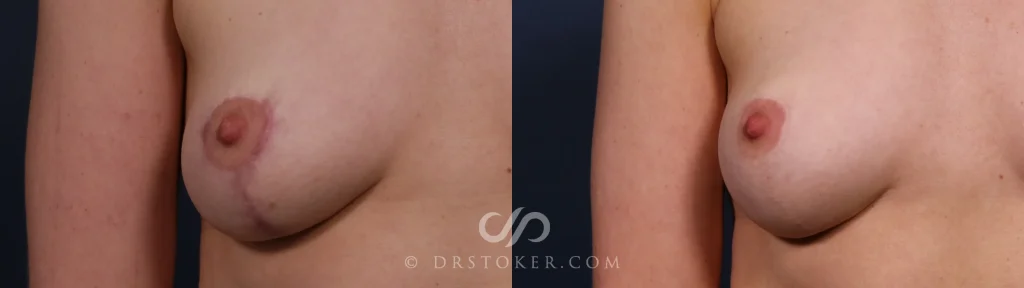
A dark, discolored scar blended toward the patient’s natural skin tone with scar camouflage. Treatment focused on color, not texture. Shown after two sessions; improvement was visible after the first.
How It Works
Every plan starts with your skin: its tone, its undertone, and the scar’s color, size and location. The team creates a blend customized to you, not pulled from a shade chart, and applies it in the office to neutralize the scar’s darker tones.
Scar tissue holds color less readily than normal skin, so results are built gradually over several sessions, typically about six weeks apart. Appointments are quick, and most patients describe minimal discomfort. Slight redness or swelling is normal and fades within hours to a few days.
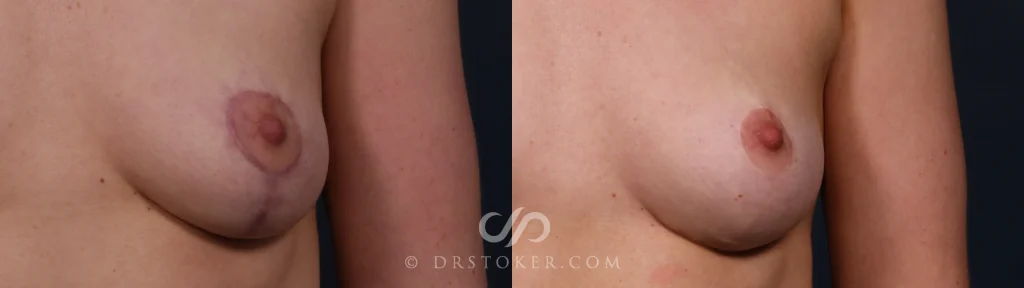
Scar camouflage reducing the contrast between a dark scar and the surrounding skin. This patient saw visible improvement after one session; a second session refined the blend.
Is It Right for Your Scar?
Scar camouflage may be a good fit if your scar is healed, its color has settled, and it’s darker than the skin around it. It isn’t designed for scars that healed lighter than your skin, and it corrects color, not texture. It won’t flatten a raised scar or fill an indented one.
For raised scars such as keloids and hypertrophic scars, Stoker Aesthetics typically recommends steroid injections, such as Kenalog, first. A flatter, calmer scar gives the color correction a better foundation.
Great Scars Start in the Operating Room
At Stoker Plastic Surgery, scar care begins long before a scar exists. Dr. David Stoker trained at NYU’s Institute of Reconstructive Plastic Surgery and has spent more than 25 years refining where incisions go, so that scars land in natural creases, hairlines and clothing lines.
That thinking defines his signature procedures. The Traceless Deep Plane Face & Neck Lift™ hides incisions along the temple hairline and the natural contours of the ear. The Bikini Body Lift™ is Dr. Stoker’s refined take on what patients often search for as a “360 tummy tuck,” with an incision placed low enough to stay hidden under swimwear. Dr. Stoker also relocates high or uneven scars left by surgery elsewhere. Rapid Recovery Breast Augmentation frequently uses an incision tucked into the natural crease beneath the breast.
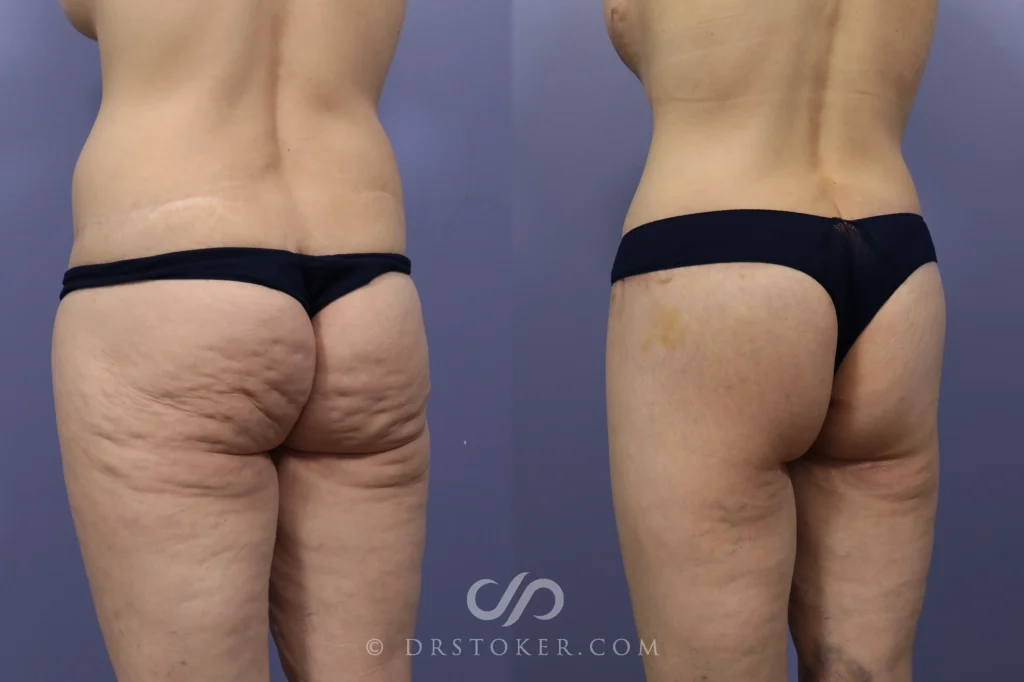
Bikini Body Lift™ revision relocating scars from a previous body lift performed elsewhere into the bikini line, while improving lower-body contour.
Still, every scar heals according to its owner’s biology. Even a perfectly placed scar can darken, especially in skin prone to hyperpigmentation. That’s where scar camouflage completes the picture.
Part of a Bigger Scar Plan
Scar camouflage often works best alongside other treatments. At Stoker Aesthetics, Carla Crespo, MSHS, PA; Brittany Lehmann, PA-C; and Stacy Wright, RN, who bring decades of experience as aesthetic specialists and are among the most respected aesthetic injectors in the Los Angeles area, work with Dr. Stoker to build a plan for each scar. The practice’s scar therapy options include silicone sheeting, steroid injections, laser skin resurfacing, IPL and surgical revision. A raised scar might be flattened first and then color-corrected. The right sequence depends on the scar.
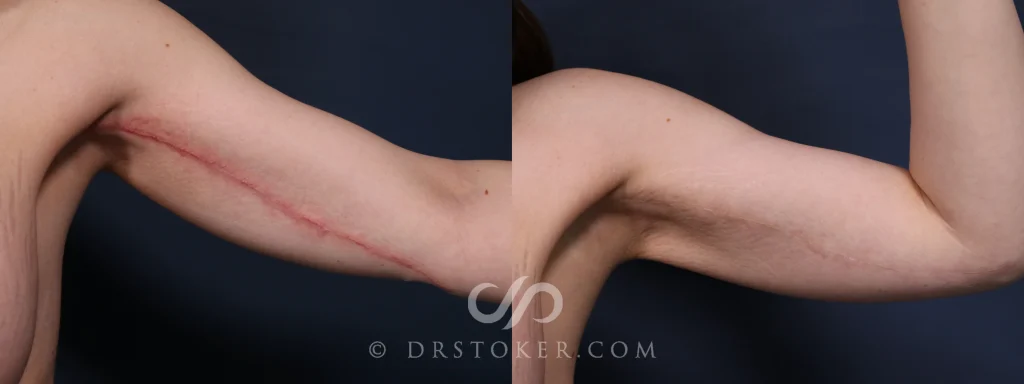
Dark scar treated with scar camouflage to improve color and blending, without altering texture.
Frequently Asked Questions
Does scar camouflage work on dark scars?
Yes. The scar camouflage treatment at Stoker Aesthetics is designed specifically for scars darker than the surrounding skin. It is not suitable for scars that healed lighter than the skin.
How many sessions will I need?
Most patients need several sessions, typically spaced about six weeks apart. The exact number depends on the scar and how your skin responds.
Is there downtime?
No. Mild redness or swelling usually fades within a few hours to a few days.
How much does scar camouflage cost in Los Angeles?
Scar camouflage at Stoker Aesthetics typically costs $400 to $2,500 per session for each treatment area, depending on the scar’s size, location and complexity. A consultation is required for an exact quote.
How long do results last?
Results are long-lasting when you follow your aftercare instructions and protect the area from the sun, which can darken scars.
Ready to Stop Noticing Your Scar?
A consultation is the first step. The Stoker Aesthetics team will evaluate your scar’s color, texture and maturity and recommend the right plan, whether that’s scar camouflage alone or a combination of treatments. Request a consultation in Marina del Rey or call (310) 300-1779, and see more results in the scar camouflage gallery.
Leave a Reply