Losing weight gradually, building muscle, staying hydrated, and maintaining good nutrition can help your skin retain its elasticity, but there is no reliable way to completely prevent loose skin after substantial weight loss. Your age, genetics, skin elasticity, amount of weight lost, and how long your skin has been stretched all play important roles.
I see this frequently in women and men considering plastic surgery after weight loss at my Los Angeles practice, including people who have transformed their bodies through lifestyle changes, bariatric surgery, or GLP-1 medications. They’ve achieved an important health goal but are frustrated that hanging skin prevents them from fully enjoying their new shape.
The good news is that we have excellent options for completing that transformation.
What Causes Loose Skin After Weight Loss?
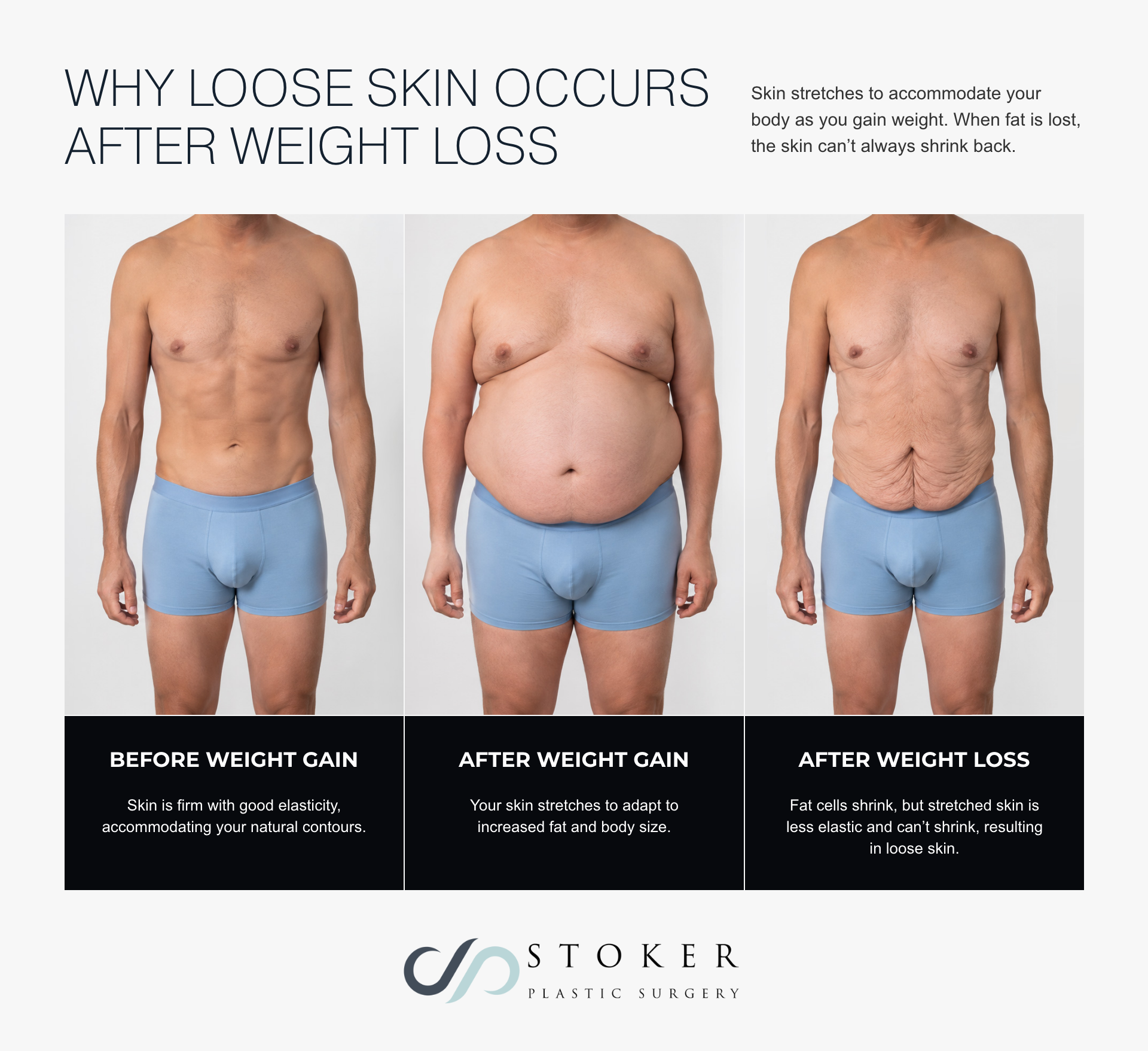
Loose skin after weight loss develops when skin that has been stretched over a larger body size cannot “shrink to fit” around your smaller frame.
Skin contains collagen and elastin, proteins that give it strength and elasticity. Skin that remains stretched for an extended period typically won’t rebound. After the underlying fat volume decreases, excess skin may remain.
Several factors influence what causes loose skin after weight loss, including:
- How much weight you lose
- How quickly your weight changes
- How long you carried excess weight
- Your age and genetics
- Natural skin elasticity
- Pregnancy history
- Smoking and sun exposure
- The areas where you carried excess weight
The abdomen is an especially common problem area, but significant weight loss can also leave loose skin around the breasts, arms, thighs, buttocks, flanks, pubic area, neck, and face.
How Much Weight Loss Causes Loose Skin?
There isn’t a specific number of pounds that guarantees loose skin. In general, however, the greater the weight loss, the more likely significant skin laxity becomes.
I frequently treat patients who have lost 50 to 100 pounds or more, and excess skin can be extensive after losing that much weight. However, someone who loses less may still develop noticeable laxity depending on age, skin quality, pregnancy history, genetics, and where the weight was carried.
Patients who have undergone bariatric surgery or experienced major weight loss with GLP-1 medications can sometimes lose weight relatively quickly. In those cases, the skin may not contract sufficiently to match the dramatic reduction in body volume.
Regardless of how you lose weight, I encourage you to focus first on reaching a healthy, sustainable goal rather than allowing fear of loose skin to interfere with your progress.
How To Lose Weight Without Loose Skin
You can take steps to minimize loose skin during weight loss, but no diet, workout, supplement, or skincare routine can guarantee that you’ll avoid excess skin.
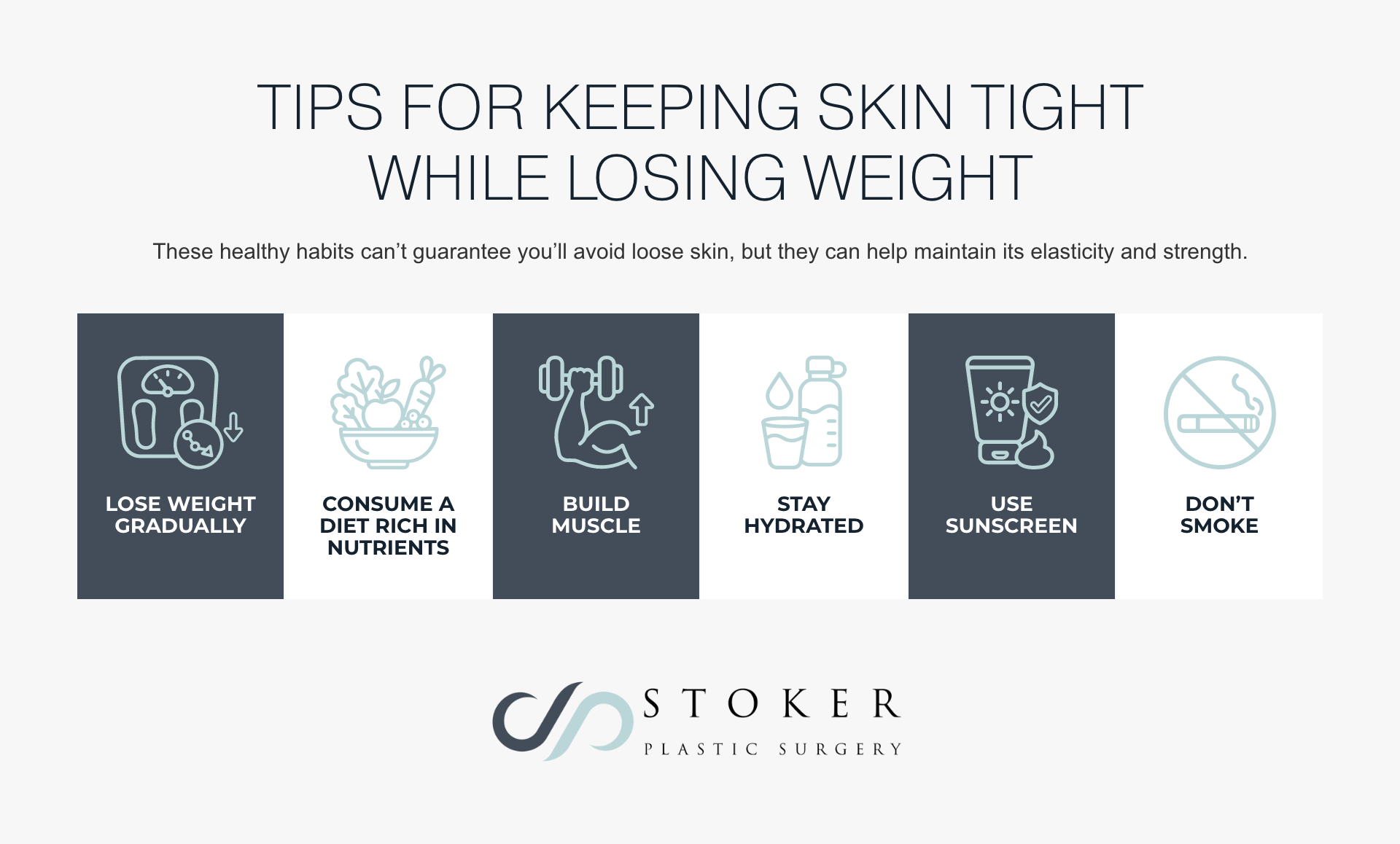
Ways to help your skin retain its elasticity after weight loss include:
- Gradual weight loss: Sustainable weight loss vs. crash dieting gives your body time to adjust. Good nutrition is also important. Protein and a balanced diet provide nutrients your body needs to maintain healthy tissues.
- Strength training: This form of exercise helps develop muscle beneath the skin. It won’t remove excess skin, but improved muscle tone can enhance your body’s shape and may make mild laxity less noticeable.
- Hydration and sun protection: These habits promote overall skin health.
- Avoid smoking: Smoking damages collagen and elastin and can reduce skin quality. It can also compromise healing after surgery if you eventually decide to pursue body contouring.
I also emphasize that patients should have realistic expectations. Healthy habits help optimize what your skin can naturally accomplish, but they cannot overcome significant loss of elasticity.
Will Loose Skin Tighten Naturally After Weight Loss?
Some loose skin may contract after your weight stabilizes, particularly if you’re younger and have good skin elasticity, but substantial hanging skin usually will not disappear on its own.
Giving your body time is important. Your appearance immediately after reaching your goal weight isn’t necessarily the final result. Skin and other tissues can continue adjusting after your weight stabilizes. Mild laxity may become less noticeable during this period. Significant folds or aprons of excess skin, however, are a different issue.
This is particularly true after massive weight loss. Once skin has been significantly stretched and its elasticity compromised, exercise can’t shrink it. Building muscle can improve underlying contours, but it doesn’t remove the excess skin itself.
How To Tighten Loose Skin After Weight Loss
The best treatment for loose skin depends on the extent of your laxity. Mild skin laxity may respond to nonsurgical treatments, but significant excess skin generally requires surgical removal.
At my Marina del Rey practice, I evaluate the entire body rather than treating each area as an isolated problem. Significant weight loss often changes multiple regions simultaneously, so a comprehensive plan can produce more balanced results.
Depending on your anatomy, that plan might include a tummy tuck, body lift, arm lift, thigh lift, breast lift, pubic lift, or facial rejuvenation. It’s often possible to safely combine procedures. For patients requiring more extensive correction, I may stage surgery over multiple operations.
For significant lower-body laxity, a body lift can be particularly transformative. A lower body lift typically addresses the abdomen, thighs, and buttocks, allowing me to remove excess skin and improve contours around the lower torso.
How My Bikini Body Lift™ Goes Beyond Loose Skin Removal
My Bikini Body Lift™ is designed to remove excess skin while comprehensively reshaping the midsection and lower body.
I developed this groundbreaking approach because successful body contouring involves more than just tightening skin. I consider the abdomen, waist, hips, buttocks, thighs, and surrounding contours as parts of a single aesthetic unit.
The Bikini Body Lift™ can incorporate extensive liposuction, tummy tuck techniques, buttock lifting, and other methods to create smoother transitions and more attractive proportions. I also focus on positioning incisions so resulting scars can generally be concealed beneath bikini-style clothing.
Patients considering comprehensive lower-body contouring can read my answers to common Bikini Body Lift™ questions to learn more about candidacy, scars, results, and what the procedure can accomplish.
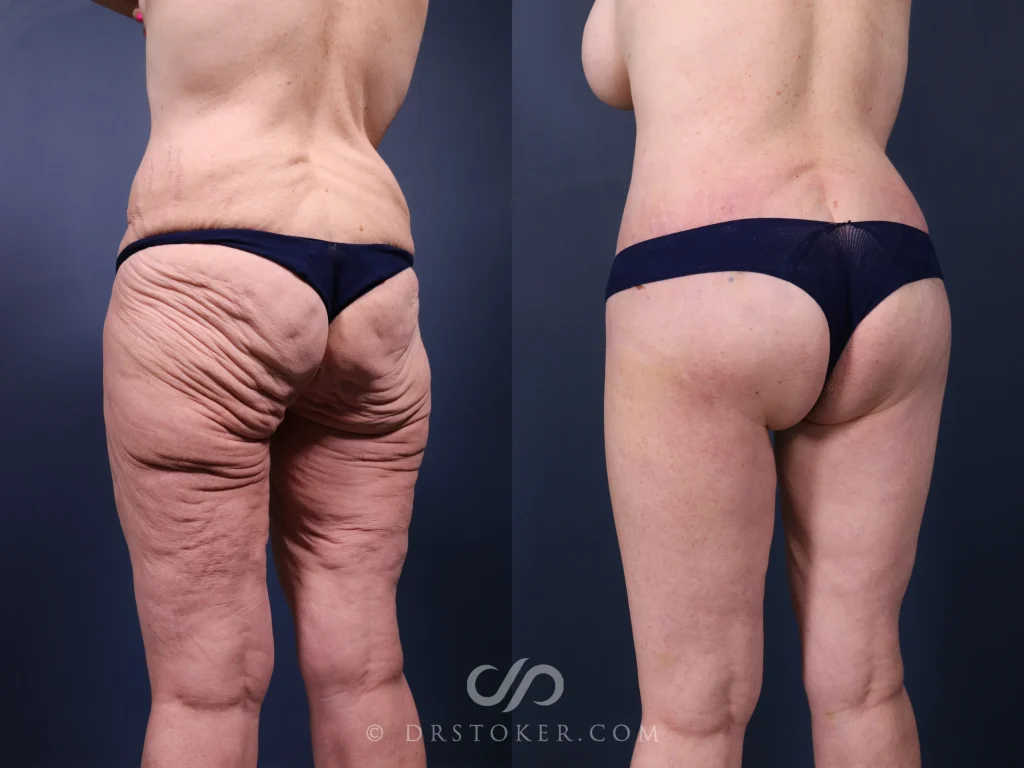
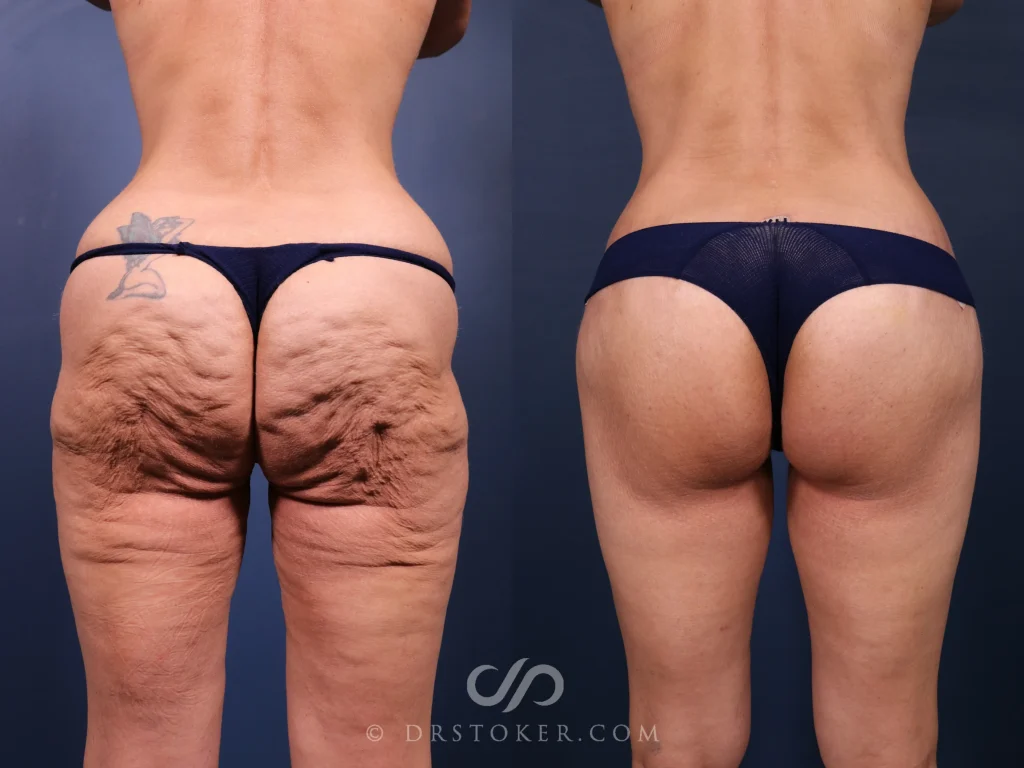
Before and After Bikini Body Lift™ in Los Angeles by Dr. David Stoker
When Should You Consider Skin Removal Surgery?
The ideal time to consider post-weight-loss body contouring is generally after you’ve reached a healthy weight that you can maintain.
Weight stability matters because significant weight fluctuations can alter your surgical results. I want to help you create contours that fit the body you intend to maintain for the long term.
You should also be healthy enough for surgery and have realistic expectations about recovery and scars. Removing significant amounts of loose skin requires incisions. I strategically position those incisions to make scars as inconspicuous as possible, but scars are an unavoidable tradeoff for removing substantial excess skin.
For patients planning ahead, my week-by-week body lift recovery guide explains what to expect as you return to work, exercise, and normal activities.
Do You Have Loose Skin After Weight Loss?
Loose skin is a common occurrence after significant weight loss, but it shouldn’t diminish what you’ve accomplished.
I’ve performed extensive body contouring surgery for major weight-loss patients throughout my career, including those featured on television programs such as The Biggest Loser and Extreme Makeover: Weight Loss Edition. At my Marina del Rey practice, I use that experience to develop comprehensive surgical plans for patients from Los Angeles and around the world.
If you want to discuss your options, request a consultation using the online form or call us at (310) 300-1779 to schedule an appointment.
Leave a Reply