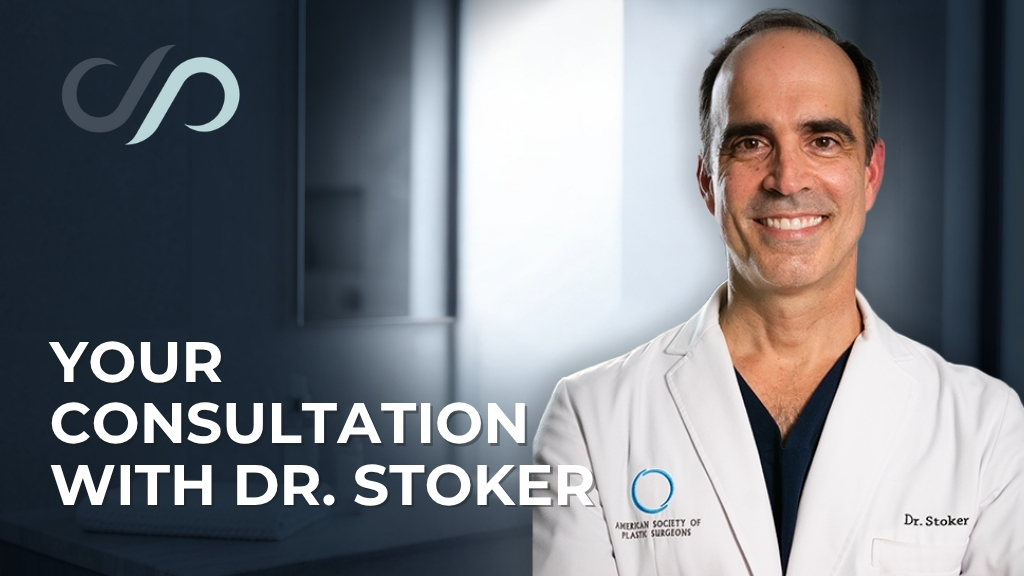
Preparing for a plastic surgery consultation starts with defining your goals, researching your surgeon, understanding what your procedure can realistically accomplish, and thinking ahead about recovery. You should also arrive ready to discuss your medical history, medications, lifestyle, and the questions that matter most to you.
As I always tell my Los Angeles plastic surgery patients, the initial consultation is arguably the most important part of the process. It’s a time for you to make sure the surgeon’s goals align with your own and to evaluate the person who may be reshaping your face, body, or breasts, so it’s important to be adequately prepared for your consultation well before you walk through the door.
Whether you’re visiting my Marina del Rey office from elsewhere in Los Angeles or meeting with me virtually, a little preparation can make that conversation considerably more productive.
#1. Know Your Ideal Outcome
Before your plastic surgery consultation, identify the specific features you want to improve and how you’d like to look or feel afterward. Think carefully about what’s motivating you to pursue plastic surgery. You don’t need to know which procedure you need—that’s my job—but you should be able to describe what is bothering you.
For example, instead of arriving convinced that you need a facelift, you might tell me, “My jawline has become less defined, and I’m bothered by my neck in photos.” That distinction matters. Once I understand the concern, I can determine whether a Traceless Facelift, Traceless Deep Plane Facelift, neck procedure, or nonsurgical treatment is most appropriate.
The same applies to body and breast surgery. Rather than focusing exclusively on a desired bra cup size, tell me whether you want more upper-breast fullness, better symmetry, or a subtle increase in volume. If you’re considering a tummy tuck, tell me whether loose skin, a protruding abdomen, stretch marks, or your waistline bothers you most.
Bringing in real patient photos, including examples from my before-and-after galleries, or other inspiration images, can be a useful tool, but being clear about what you want to look like and how you want to feel can help guide the conversation in a productive, meaningful way.
#2. Know Your Surgeon
Research your plastic surgeon’s credentials, experience with your procedure, surgical results, and approach to patient safety before your consultation.
Board certification is a logical starting point. For plastic surgery, look for certification by the American Board of Plastic Surgery. You should also investigate how frequently the surgeon performs the procedure you’re considering and whether their before-and-after results consistently reflect an aesthetic you like.
Look beyond the most dramatic transformations. Find patients whose starting anatomy resembles yours. If you’re considering a Traceless Deep Plane Facelift, for example, look at patients with a similar degree of jowling and neck laxity. If you’re researching body contouring after significant weight loss, look for patients with comparable amounts and patterns of loose skin.
A prolific surgeon will also likely make ongoing contributions to scholarly research, such as publishing journal articles, giving presentations to other surgeons, or working on clinical studies. All of this should be listed prominently on the surgeon’s website.
Prior patient experiences are always a great indicator of what you can expect. Read online reviews to get a clearer picture of your surgeon’s work.
#3. Know the Limits of Your Procedure
Plastic surgery can produce significant changes, but every procedure has specific capabilities and limitations. Understanding those distinctions helps you arrive with realistic expectations.
A Traceless Facelift, for instance, can reposition sagging facial tissues and improve jowls and jawline definition, but it isn’t designed to correct every aspect of facial aging. Combining a facelift with laser resurfacing, for example, may be more appropriate for certain concerns involving skin texture and sun damage.
Likewise, breast augmentation adds volume but isn’t designed to correct significant sagging. A breast lift reshapes and elevates the breasts but doesn’t replace substantial lost volume. Some patients benefit from combining a lift with implants.
You don’t need to diagnose yourself before your appointment. In fact, I prefer that patients remain open to alternatives. You may arrive asking about one procedure and discover that another technique, or a combination of treatments, would better address your goals.
A solid understanding of nuances like these helps you approach procedures with an eye toward your goals. It also gives you a frame of reference when talking through the surgical techniques that will yield your desired results.
See for yourself how our full facial rejuvenation treatment exceeds what can be achieved with a facelift alone:


A surgeon’s website can be a great resource for understanding the procedures you might be interested in, as well as that surgeon’s particular preferred techniques. Another excellent resource is RealSelf, an online forum where other patients can ask questions for doctors to answer.
#4. Know What To Expect for Your Recovery
Before your consultation, think about how surgery and recovery will fit into your work, family responsibilities, exercise routine, travel, and social calendar.
Those things are all fairly predictable based on the procedure you decide to undergo, but for your specific recovery, nobody knows you better than you. I’ll explain the expected recovery timeline for the procedures we discuss, but it helps if I understand your life outside the operating room.
Do you have a physically demanding job? Do you regularly lift young children? Are you training for an athletic event? Do you have a wedding, vacation, or major work commitment coming up? Who can help you during the first several days after surgery?
These details can influence both timing and surgical planning. For example, “When can I work from my laptop?” and “When can I return to a job that requires lifting?” are very different recovery questions. Similarly, returning to a leisurely walk isn’t the same as returning to running, Pilates, or strength training.
Although your recovery may be just a few days, it is an interruption to daily life, so take some time to think about what specific things will make yours as comfortable as possible.
Maybe it’s cooking some meals ahead of time, or making sure a few marathons of your favorite shows are readily available. Everyone’s answer is a little different, but being thoughtful about it can make the experience more pleasant. Read more about preparing for surgery in our related blog post.
What Questions Should I Ask During a Plastic Surgery Consultation?
Ask questions about your surgeon’s experience, the recommended technique, expected results, scars, risks, recovery, costs, and alternatives. A good consultation should leave you with a clear understanding of why a particular surgical plan is being recommended.
I encourage patients to write down their questions beforehand. Your list might include:
- How often do you perform this procedure?
- Which technique would you recommend for my anatomy, and why?
- Can I see before-and-after photos of patients similar to me?
- Where will my incisions and scars be?
- What result is realistic for me?
- What are the most important risks and potential complications?
- Where will my surgery be performed?
- Who administers the anesthesia?
- How much time should I take off work?
- When can I drive, exercise, lift children, or travel?
- Would combining procedures improve my outcome?
- Are there less invasive alternatives?
- What does the quoted surgical fee include?
- What happens if I have a concern during recovery?
Don’t hesitate to ask follow-up questions. I would much rather have you leave your consultation with a thorough understanding of your options than feel pressured to make a decision before you’re ready.
Preparing for a Plastic Surgery Consultation in Los Angeles
If you’re coming to my Marina del Rey practice, completing forms and gathering relevant information before your appointment allows us to devote more of our time to your goals and surgical options.
Bring or have access to an up-to-date list of medications and supplements, information about relevant medical conditions and previous surgeries, and any questions you’ve written down. You can also bring inspiration photographs if they help communicate your goals.
For patients traveling to Los Angeles, my practice also offers resources for fly-in patients. Virtual consultations can be especially helpful when you’re considering traveling for surgery because we can discuss your concerns and potential treatment plan before you make the trip.
Start Your Aesthetic Journey
If you are ready to take the next step and want to explore your surgical options, please request a consultation or call us at (310) 300-1779 to get started.
This blog post was originally published in April 2016 and updated in September 2026.
Leave a Reply